 I’ve just been browsing the site, checking that all the links are working and that the index includes all the posts that are relevant to all you poor sods out there who are doing the Leaving Cert. Anyway, it occured to me that the index page has expanded to such an extent that it’s hard to see the wood for the trees now so…
With this in mind here’s a simple checklist with links that you can refer back to whenever you need them. This may sound obvious but I’ll say it anyway – any words that appear in BLUE are clickable and will take you directly to the blog post in question…
So here goes nothing!
1. Comprehensions – begin with the General Advice post, then take a look at the different Types of Comprehensions which appear. You need to get practice in Describing a Personality and exploring the Feelings & Atmosphere created in a text. If you want help Answering Style Questions, once you’ve downloaded the spreadsheet of techniques have a look at this Sample Comprehension Answer which examines common mistakes.
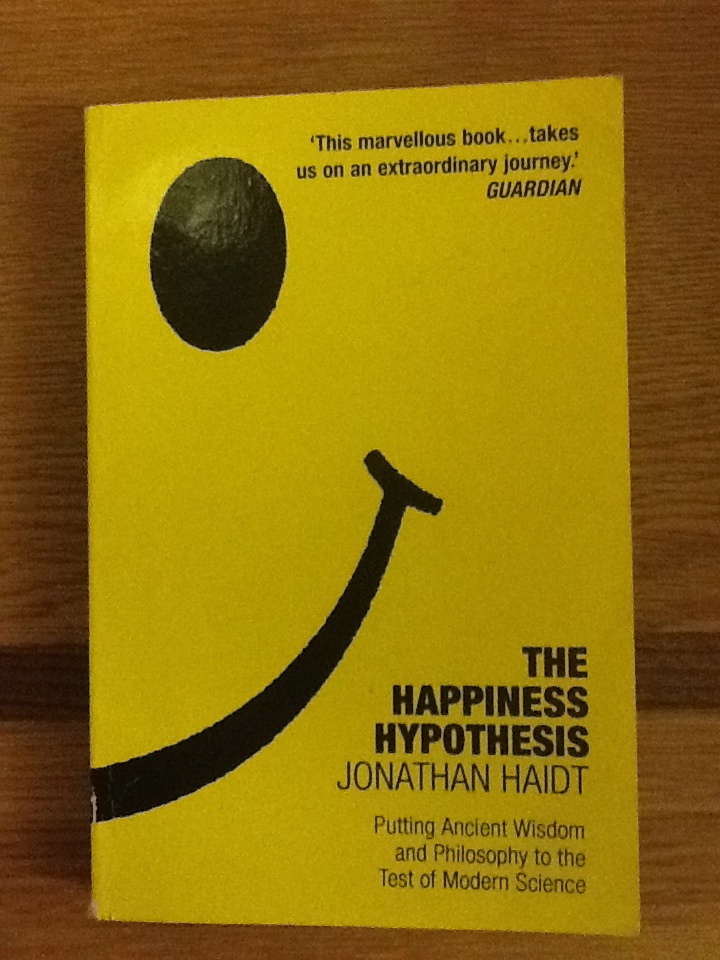
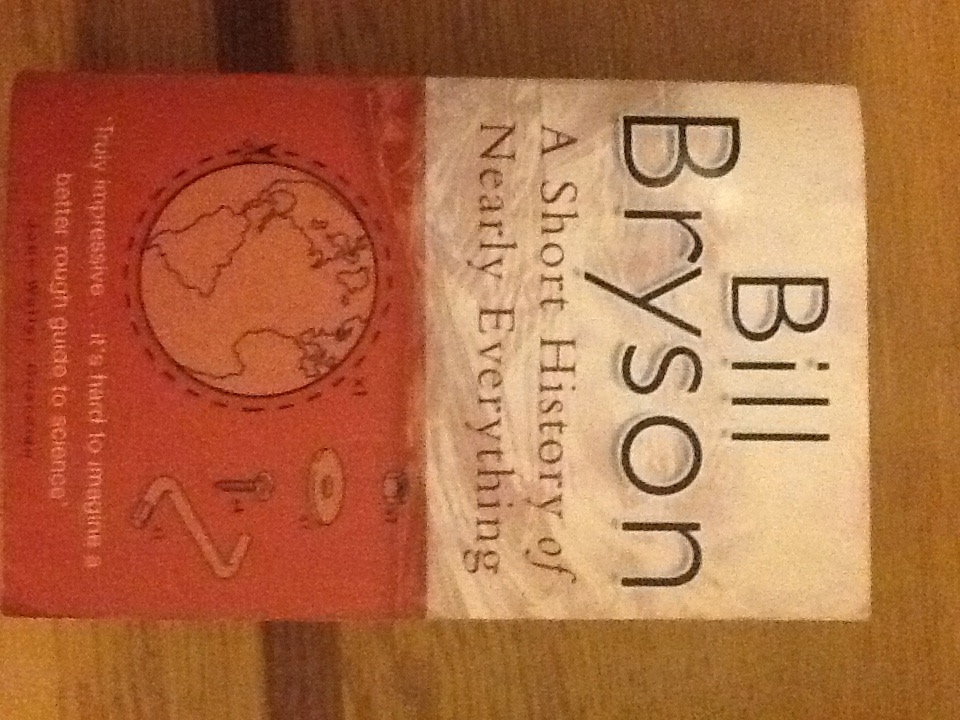
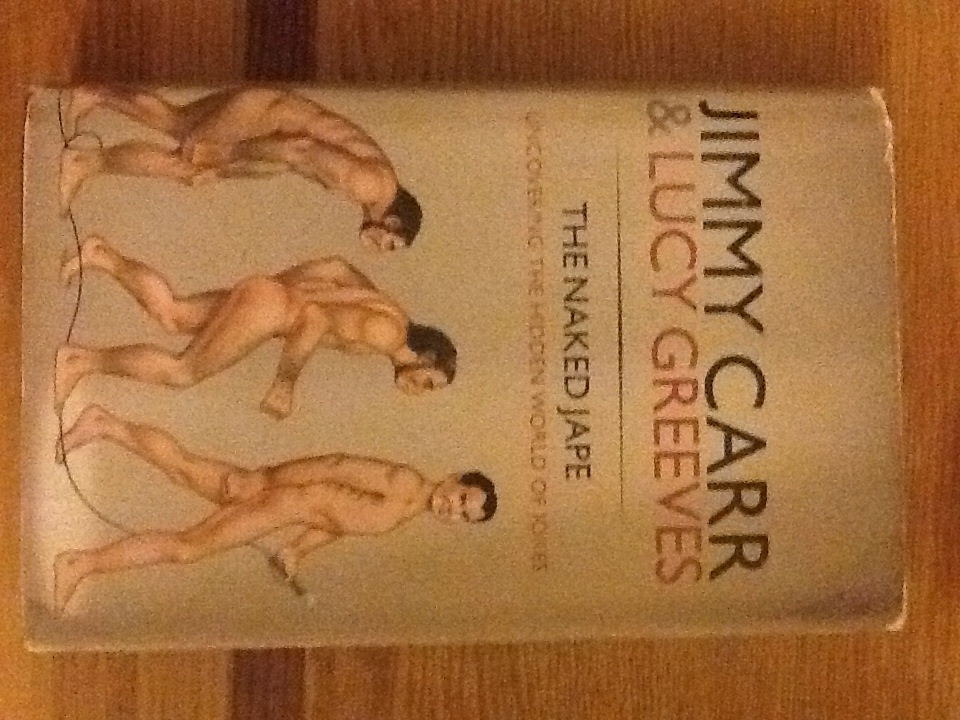
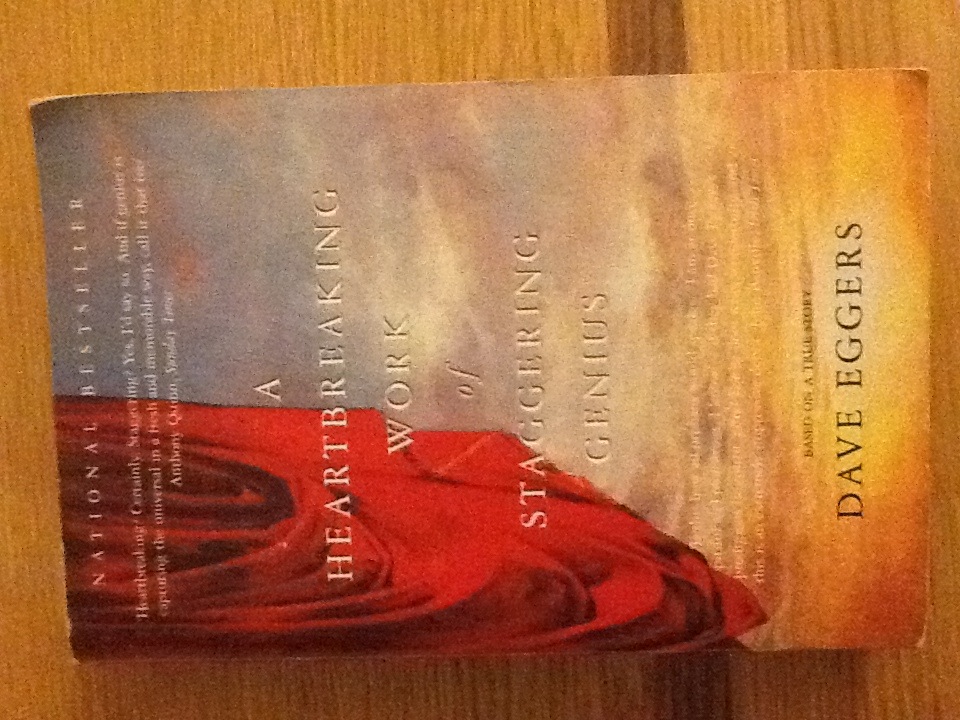
Don’t forget that you must be confident discussing Visual Texts so this Sample Visual Text Answer should come in useful, along with these tips for discussing Book Covers and this wonderful post from my mate Michelle on The Art of Photography.
This is not an exhaustive list. Off the top of my head I know in the past students were asked if they considered a piece of writing funny and had to explain why – not an easy task but this post on Comedy might help.
One year recently students were asked to explore the enduring power of the mysterious in tv, books and film but I haven’t gotten my head around answering that one myself yet (which is weird really because I obsessively read my way through over 50 Agatha Cristie novels when I was 14).
You also need to be able to clearly distinguish between the language of information, language of argument, language of persuasion and the language of narration/description because sometimes they specifically ask you to identify and comment on the features of one type of writing (informative/argumentative/persuasive/descriptive) which are evident in the text. Sometimes this is phrased slightly differently and you are asked to comment on features of speech writing, or travel writing or autobiographical writing or on the journalistic style used in a newspaper/magazine article.
Occasionally students are asked to comment on the Title of the passage, or to suggest an alternative title. You could be asked to select a quote(s) used by the writer and comment on how effective and appropriate it is. You can also be asked to trace the logic employed in a text or to discuss how effectively the writer has constructed their argument to bring you around to their way of thinking.
Ultimately, practice practice practice is what will help you to improve – by all means read these blog posts to your hearts content but then DO SOMETHING with them. Apply the knowledge by practising using past exam papers or whatever speeches, articles, stories, travelogues you want.
If yet more individual written work sounds too hideously boring, sit down with a friend, pick a text (any text), come up with sample questions based on what usually comes up and discuss what you’d put into your answer. This is a really effective way of getting the brain active and bouncing ideas off someone else is always a good study technique.
Perhaps you could draw your own infographics for information, argument, persuasion, narration, description, speeches, articles, short stories, personal essays etc… We’ve been doing this to some success in class recently, it really forces the brain to clarify things.
2. Question B – begin with the General Advice, then make sure you get clarity around the layout and style required for the following:
and don’t forget Speeches/Radio Talks and Articles which can come up both here and in the extended essay section. Personally I don’t think you should choose the same Question B and extended essay (ie write two speeches, or two articles) because you can’t really show off your range of skills to the examiner if you do this. Pay close attention to the wording of the question – for example a ‘report’ and a ‘news report’ are not the same thing! One is an informative document compiled from surveys and questionaires on a particular topic, the other is a newspaper article reporting on an event or incident which has just occured.
3. Composing – this is the section that requires you to write an extended essay (in a particular genre) twice as long as the Question B above. It is worth 25% of your overall grade in English.
You may want to begin with the Six Rules of Essay Writing, then check out the type of Essay Topics that come up and some Sample Essay Titles I gave my Leaving Certs for their house exam. Read this blog post if you’re searching for Inspiration.
Then there are the questions: What is an Appropriate Topic? How do you move from Word to Paragraph? How do you achieve Originality vs Cliche? And a discussion of why you really need to Trust Your Voice.
There are four basic genres that recur in this section: Short Stories, Personal Essays, Speeches/Debates and Newspaper/Magazine Articles. Very ccasionally you’ll see a “series of 3 diary entries” or “a descriptive essay” in here too.
Short stories – so you need to be familiar with the Language of Narration/Description and you might want to check out Sample Short Story 1 and Sample Short Story 2.
If you want to buy and read a collection of short stories try the newly released “Silver Threads of Hope“.
Personal Essays – you need to be clear on the difference between a personal essay and a short story but the Language of Description remains central to this genre. You may want to check out Sample Personal Essay 1 and Sample Personal Essay 2.
If you want to buy and read a collection of personal essays try “A Page in the Life”, a collection from the Marian Finucane radio show (they are each only 500 words long however – your personal essay would need to be in the region of at least 1200 words in the exam). Two of my favourite personal essays are available online “I’m still alive and writing is my fighting” and “The five funniest things people said to me when my father died” – even though they were published in a newspaper and a magazine respectively their style falls into the category of the personal essay.
Articles – get reading newspapers and magazines and start paying attention to the style used. You may want to check out this Sample Newspaper Article.
You could also get a giggle a day by regularly visiting www.thepotato.ie an Irish satirical website which proves that you can make something up and still make it sound utterly convincing if you adopt the appropriate journalistic style. Also see our Links page for a longer list of online newspapers.
Speeches / Debates – ensure you understand the difference between them. Debates almost exclusively make use of argumentative techniques whereas speeches combine argument and persuasion. Check out these sample debate topics; better still practice writing one!
Check out this debate “Does God Exist?” on this link – but feel free to skip the first 12 minutes which are just introductions. Of course if you’ve taken part in the Concern Debates, the Mental Health Public Speaking competition or any form of public speaking through your local Dail na nOg or Soroptimists society then you’ve at a real advantage going into the exams.
If you want to buy a book of famous speeches I recommend “Speeches that Changed the World” and “Great Irish Speeches“. Alternatively, just browse speeches on youtube or better still check out www.ted.com for mindblowing talks on every topic imaginable!
If you’d like to try some collaborative writing with your mates you could either use edmodo (see this post on the benefits of online collaboration) or you could just use google docs – all you need is a gmail account, click on “drive”, start a new document and then email the link to the people you want to write the piece with you…
I think that’s it folks! There are so many links in this post it’ll be a miracle if they’re all working so if any of the links lead you to the wrong place please send me a message and I’ll fix it.
Hope this helps,
Evelyn

 Just came upon this really handy list of online resources for Macbeth – definitely worth a look!