Monthly Archives: April 2011

Types of comprehension

UPDATE SEPTEMBER 2014 – the exam no longer features a ‘visual text’ by itself. For now they seem to have integrated it so that every text is accompanied by image(s) and/or a graph and usually – but not always – one of the three questions will ask you to discuss/interpret the visual text.

Types of Comprehensions

You will have a choice of 3 texts – you pick one to read & answer questions on (QA) and one piece of functional writing (QB) from a different text.

You cannot answer QA & QB on the same text.

If you do you lose 25% of the marks for Paper 1.

Typically 3 different styles of text, sometimes with a combined written & visual element.

WARNING: In 2010, 2011, 2012 and 2013 two of the 3 texts had a visual element so you cannot ignore this section when revising for the exam. In 2014, however, while all three comprehension texts had visuals, only one text had a question which asked you to discuss the visual as well as the written element (it was a book cover).

1. Non-fiction: This could be an interview, a newspaper or magazine article, a speech, a blog, an extract from a biography or a non-fiction book.

2. Descriptive writing: Extract from novel / short story / biography / travel writing.

3. Visual text: A series of photographs usually accompanied by a short article or introduction (on one occasion it was 2 contrasting book covers).

Typical questions?

Non-fiction =

Describe the personality of the writer / interviewee.

Describe the lifestyle of the writer / interviewee.

In your own words, outline the argument made by the writer / speaker.

What is your opinion of this issue? (support by close reference to the text).

To what extent do you agree/disagree with the writer? (almost same as above).

Do you think the writer likes or dislikes his subject matter? (the person / group or issue he’s writing about). How is the writer’s attitude revealed?

What is the most important point being made by the writer?

Select three features of the writer’s style and comment on their effectiveness.

Identify 4 elements of effective speech-writing & comment on their effectiveness.

Identify 4 features of argumentative and/or persuasive writing and comment on their effectiveness.

What features make this an interesting piece of informative writing?

Select the quotation used in the passage which the greatest impact on you and give reasons for your choice.

Do you find the style of writing in this article appealing?

Descriptive writing =

What qualities do you find appealing in the character of __________.

What impression of the character of _________ is created in this extract.

Describe the relationship between the two characters of ________ & ________.

How does this extract create a strong sense of place?

Does the description of the market / railway station bring it to life for the reader?

Identify and comment on 4 features of narrative and/or descriptive writing used.

Choose 3 particularly vivid images you find effective in this extract.

This novel has been described as compelling and well written. Do you find the style of writing dramatic and descriptive?

Would reading this extract encourage you to read the book in full?

Comment on the appropriateness of the title.

What signals let you know this story is intended to be humorous?

Visual text =

What impact do the visual images make on you?

Which image makes the greatest impact on you? You may wish to consider the subject matter, setting, mood, caption, relevancy, photographic qualities / techniques, use of colour, light, objects, details.

Which image is most effective in capturing the theme of _________  / Do these images capture the essence of _____________.

Imagine this series of images is to be published in a book of photojournalism. Which one would you choose for the front cover and why?

Which book cover do you find more interesting?

Select another image you would use to expand this selection. Briefly describe it and say why it would fit in well with this collection.

Outline briefly what you see in each of the images.

What does the photographer want the viewer to feel?

Do the written and visual elements of the text go well together?

From your reading of the introduction and the photos, what impression do you have of this issue?

Write one paragraph that would serve as an introduction to this collection of images.
Feelings

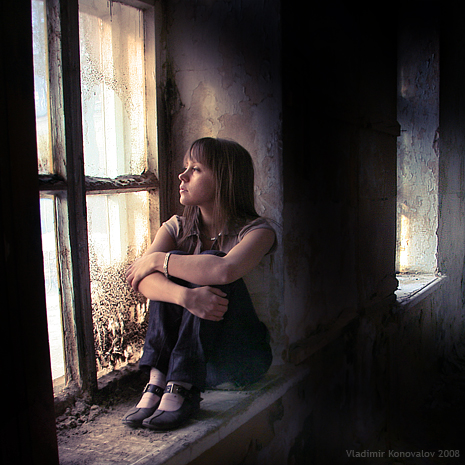
You may be asked to describe the feelings/mood/atmosphere created by the writer. The list below is intended as a way to prompt ideas. However, you must remember that simply figuring out the ‘right’ answer (if there even is such a thing in English!) isn’t enough – it’s not just what you say, but also how you say it that matters. Your answer needs to flow from one idea to the next and to show depth and insight.

Compare these two snippets:

The writer creates a very scary atmosphere in that she talks about things that most people find kind of frightening like snakes and bats and stuff

OR

Edgar Allen Poe makes the hairs stand up on the back of our necks as he creates an atmosphere fraught with tension and fear. The sudden flight of the bats from the rafters and their “piercing squeals of rage” at being disturbed add to the errie desolation of this abandoned castle. Having the snake slither down the marble staircase and hover behind the central character is a stroke of genius – we see the danger, while he remains oblivious. The reader almost feels the urge to shout out (panto style) ‘he’s behind you!’ .

Both of these answers recognise the fear which dominates the atmosphere in this extract (for the record these are only partial answers – you’d need to trace the subtle ways that the atmosphere changes as the passage goes on) but the first one would probably fail in an honours English paper (it’s poorly written, relies on slang and cliches and lacks any depth)while the second would get you an A. So remember – it’s not just WHAT you say that counts – HOW you say it is supremely important if you want to get a good grade.

FEELINGS

A: abandoned, absorbed, abused, accepted, accomodating, accused, admired, adventurous, affectionate, affirmed, afraid, aggressive, aggravated, agitated, alarmed, alienated, alive, alone, ambivalent, angry, analytical, annoyed, antagonistic, anticipated, anxious, apathetic, appreciated, apprehensive, approved, arrogant, ashamed, assertive, attacked, attractive, awed, awkward.

B: balanced, beaten, belligerent, betrayed, bewildered, bitter, blamed, bored, bothered, brilliant, beautiful, brave, bugged, bullied, burned out.

C: calm, capable, cared for, castrated, caustic, chagrined, challenged, cheated, cheerful, closed, comfortable, comforted, compassionate, competent, competitive, complacent, compromised, concerned, condemned, confident, conflicted, confused, connected, cooperative, conservative, consumed, contaminated, contented, controlled, out of control, courageous, creative, critical, cross, cruel, crushed, curious, cut-off.

D: dead, deceived, defeated, defensive, defiant, degraded, dejected, delighted, depressed,  deserving, desired, desperate, destitute, detached, destroyed, destructive, devastated, dirty, disappointed, discontented, disconnected, discouraged, disgusted, disillusioned, disjointed, dismayed, distant, distorted, distracted, distressed, disturbed, dominated, domineering, drained, dread, drowning, drugged, dumb, dying.

E: eager, edgy, egotistic, elated, embarrassed, embraced, empathetic, empowered, empty, endangered, enraged, enthused, envious, evasive, exasperated, excited, exhausted, exhilarated, exploited, explosive, exposed.

F: fair, failed, failure, fat, fatigued, fearful, fighting mad, floundering, fooled, forgiven, forgotten, fouled, free, friendless, friendly, frightened, frustrated, furious.

G: galled, generous, genuine, gifted, gracious, grateful, gratified, greedy, grumpy, guilty.

H: happy, hate, hated, hatred, healed, heavy, helpful, helpless, hesitant, hopeful, hopeless, hostile, hurt, hyperactive, hypocritical.

I: idealistic, ignored, immobilized, impatient, impotent, impulsive, inadequate, indifferent, incompetent, inconsistent, in control, indecisive, independent, indignant, indifferent, inferior, infuriated, inhibited, injured, insecure, insensitive, inspired, intolerent, irked, irritated, isolated, intense, integrated, intimate, intimidated, irrational, irresponsible, irritable.

J: jaded, jealous, joyful, judged, judgmental.

L: lazy, liberated, light, limited, lively, lonely, like a loser, lost, lovable, loved, loyal.

M: mad, manipulative, marked, masked, masochistic, melancholic, miffed, misinformed, misunderstood, moody, moralistic.

N: naked, needy, negative, neglected, noble, noxious.

O: obligated, obsessed, offended, optimistic, outraged, overlooked, overwhelmed.

P: pain, panic, paranoid, passive, passionate, pathetic, patronised, peaceful, persecuted, perturbed, pessimistic, phony, pissed-off, playful, pleased, pleasured, possessed, possessive, powerful, powerless, precious, preoccupied, pressured, private, protective, proud, provoked, punished, purposeful, put down, put out, puzzled.

R: rage, rambuctious, reassured, rejected, repressed, resentful, resistant, responsible, responsive, restrained, resurrected, revengeful, reverencial, rewarded, righteous, rigid, rueful, ruthless.

S: sacred, sad, sadistic, scapegoated, scared, secretive, secure, seductive, seething, selfish, self-conscious, self-obsessed, sensual, shaky, shamed, shocked, shy, sick, sincere, sinful, smothered, soiled, sorrowful, spontaneous, spiteful, stressed, strong, stubborn, stupid, subservient, superior, supported, suspicious, sympathetic.

T: teed off, tender, terrified, threatened, ticked off, timid, tired, tolerant, tolerated, traumatized, tranquil, triumphant, trusted, trusting, turned off.

U: ugly, unable, unappreciated, unbalanced, uncertain, understood, unfulfilled, unhappy, unique, unloved, unlovable, unprepared, upset, unresponsive, uptight, used, useful, useless.

V: vain, valuable, vengeful, vicious, vindicated, vindictive, violent, vulnerable.

W: warm, weak, weary, whole, wise, withdrawn, wonderful, worn out, worthless, worthy.

Y & Z: youthful, yearning, zany, zealous.

Leaflet / set of guidelines

[youtube_sc url=http://www.youtube.com/watch?v=_A-KV_xkrnc]

If you are asked to compse a leaflet or a set of guidelines your format should follow the rules for the language of information. However you can take a tongue-in-cheek approach as evident above! In general the examiner will be looking for

  • simple clear language (short snappy sentences),
  • easy to access information (numbering or bullet points, headings and sub-headings, variety of ‘font’ sizes)
  • variety of ideas

On one occasion students were asked to compose an informative election leaflet for a forthcoming student council election and to pretend they were running for the position of Student Council President.

In general election leaflets contain:

  • The candidate’s photo, name & party if applicable.
  • A catchy slogan.
  • Information laid out in bullet point style.
  • Short snappy sentences.
  • Relevant past experience / leadership qualities.
  • Election promises – what changes you’ll implement.
  • Criticism of / comparison with other candidates.

_________________________________________________________

Vote for Hazel –Vote for Change!

Vote for me, Hazel Nolan, as Student Council President.


As class prefect, I have experience of representing student’s views.

I have proven my leadership skills as Senior Volleyball Team Captain.

I have shown my concern for younger students through my continuous involvement in the Big Sister – Little Sister programme.


I promise to initiate change in the following areas:

  • Ban on mobile phones during lunch break.
  • Necessity to wear school uniform on school trips.
  • Improve quality & variety of food in school canteen.
  • Improve access to photocopying & printing services for students.
  • Increase use of ICT in the classroom.
  • Allow students to be present at parent/teacher meetings.

I will also represent our views nationally by taking part in Dáil na nÓg.

Unlike other candidates (one of whom claims to have “extensive experience of dealing with school management during daily detention”) I will take my job seriously, represent your concerns sincerely and bring about practical changes to make YOUR time in school more enjoyable.

USE YOUR VOTE

STUDENT COUNCIL ELECTIONS THURSDAY – 1PM – CANTEEN

_________________________________________________________

For more on instructions, click on this link: http://www.englishonline.co.uk/englishnon/literacy/literacy11-14/instruct.html#1

Advertisements

[youtube_sc url=http://www.youtube.com/watch?v=zv750BWrUhY]

Advertisments use many of the techniques of persuasive writing to convince you (or emotionally manipulate you) into buying a particular product or service.

An advert must

  • Get our attention
  • Leave an impression
  • Create a link between us and a product or service

Adverts rely on a strong element of suggestion & may contain subliminal messages.

Techniques:

  • Colour
  • Music / voice-overs / jingles
  • Logos
  • Slogans
  • Humour
  • Celebrity endorsements
  • Recognisable characters
  • Models
  • Attractive lifestyles
  • Promise of fun / value for money
  • Expert reports
  • Scientific jargon
  • Informal, friendly language
  • Positive buzz words / phrases

Look at the following text from a holiday brochure as an example of the language of advertising:

Come to Ireland.

The land of a thousand welcomes is waiting to welcome you.

Why not begin your trip with a visit to Dublin? Relax as you tour the famous Guinness Brewery. Soak up the atmosphere in Temple Bar. Prepare to be spooked in Kilmainham Jail.

And when it all gets too much?

Head for the hills.

There’s nothing quite like the Ring of Kerry to take you back to nature, or why not swim with the dolphins in Dingle? You’ll get a warm welcome wherever you go. Delicious food, open peat fires, plenty of banter and barrels of laughter. Whether you’re watching a spectacular sunset and tapping your foot to the sounds of a lively Ceili band, Ireland has it all.

But don’t just take our word for it! Read these testimonials & you’ll soon be packing your bags!

Our trip to Ireland was one I’ll never forget. It’s such a cliche that the Irish are the friendliest people on earth – but the proof was in the pudding. We met so many lovely people. We’re going back again this year but this time we’re staying with friends” – Susan Sylvester, Chicago.

Do the Travel Triumph trip. I promise you won’t regret it” – Dan Armitage, Southern Illinois.

I’ve been all over the world – Asia, Europe, Africa – but Ireland truly has something unique. For a laid-back atmosphere and spectacular scenery, there really is nowhere else on earth quite like it” – Toni Jones, Texas.

For more info. log onto www.TravelTriumphTours.com

or call us on 00353-949630333.

Travel Triumph Tours

Reports

Report Layout

There are a few ways of doing this correctly. You can use the headings IMRAD -introduction, methods, results and discussion or

Use the following headings:

Introduction:

Explain what the report is about, why you decided to write it, how you will gather your information.

Findings:

Using bullet points & statistics, make a list of your findings.

Conclusion:

What can you conclude from what you’ve discovered above.

Recommendations:

What changes / solutions do you suggest. One per conclusion. Be specific.

NOTE: on one occasion students were asked to write a ‘memo’. A memo is an informative document usually used in an office setting. It can come in many different formats so there is no one absolutely correct way of approaching this task. The language is usually formal, clear and direct. Click on this link for more discussion and sample memos: http://owl.english.purdue.edu/owl/resource/590/04/Sample Report

Report on the eating habits of Junior Certificate students.

Introduction:

The purpose of this report is to find out more about the typical eating habits of junior certificate students. Interest in this topic began following a discussion on healthy eating during our home economics class. We compiled a questionnaire which was distributed to all junior certificate students.

Findings:

  • 24% of students regularly skip breakfast
  • 76% eat unhealthy snacks during morning break (these include chocolate, crisps, sweets, fizzy drinks, sausage rolls, wedges).
  • 58% bring a packed lunch, 12% go home, 17% eat in the canteen.
  • 13% rarely eat lunch.
  • 94% have a healthy hot dinner every day.

Conclusions:

Students have a healthy balanced diet for the most part. Some students eat excessive amounts of junk food during morning break. There are also some concerns about the practice of skipping meals.

Recommendations:

Introduce a special offer in the canteen whereby students can buy a bottle of water, pot of yoghurt and piece of fruit for €1.50 during morning break.

Arrange for a nutritionist to speak to all SPHE classes, focusing on the health benefits of healthy eating and the dangers of skipping meals.

Provide in-service training for teachers on recognising the symptoms of eating disorders.

Report writing – common mistakes

(A) Using casual, conversational language and abbreviations.

Examples =

  1. It’s obvious that SHOULD BE It is obvious that

  2. We’ve discovered SHOULD BE We have discovered

  3. …we’d look at SHOULD BE …we would examine

  4. We realised how bad students were eating SHOULD BE We realised how unhealthily students were eating.

  5. rubbish food SHOULD BE unhealthy or junk food

  6. Parents must give their kids SHOULD BE give their children

A report is an official document so always choose the most formal phrase you can.

(B) Offering personal opinions.

Examples =

  • Few leaving certs eat a breakfast which is surprising, you’d expect them to try and get a good start to the day considering they are facing such a big exam year.

SHOULD BE

  • 77% OF leaving certificate students don’t eat breakfast.
  • Lots of students eat chocolate, crisps and sweets during the day. This is disgraceful.

SHOULD BE

  • 76% eat unhealthy snacks during morning break (these include chocolate, crisps, sweets, fizzy drinks, sausage rolls, wedges)

A report presents the facts in clear simple direct language.

It is a scientific fact that skipping meals is unhealthy but there is no scientific proof that it is ‘disgraceful’. Get to the point and avoid giving your opinion.

(C) Taking too narrow a focus.

  • Instead of talking about all meals you only referred to lunch
  • Instead of asking about packed lunches you only looked at what was sold in the canteen (in this case it should be re-named “Report on the school canteen”)
  • You went totally off the point and assessed levels of obesity.

(D) Your method of finding out information was flawed – you used observation instead of a survey or questionnaire.

Why is this a problem?

Think of the example above – if you simply stand in the canteen and watch people eating you won’t be including everyone – the people who go home for lunch, those who go to town and those who bring a packed lunch – so your conclusions will be flawed. Also, you cannot get any exact statistics simply by watching. The whole point of a report is to find out more than you know or suspect already so you need exact figures.

(E) You were unrealistic which made the report seem fake!

  • “I interviewed all the students in our school” – this would be difficult, time consuming and unnecessary. A survey just needs to be given to a representative sample so that all effected groups are included. In this case if you want info. from the entire school give the survey to one class from each year group.
  • Some of your recommendations were unrealistic or impossible to enforce, for example “A new system will be introduced in the school canteen whereby students must buy at least one piece of fruit in order to purchase any other food” or “Warn parents that they must make their children eat breakfast”
  • Some ‘recommendations’ were vague or obvious, for example “students should have at least one piece of fruit a day”. This is simply stating a fact – it is not a recommendation of how to make it happen.

Spot the mistake(s) – here are sentences from reports written by my students:

Offer rewards if students can stay within their weekly amount of bad eating habits.

We decided to do more about the problem of eating.

Most of the students in fat don’t eat there (!) lunch sitting down.

The purpose of this report is to outline young people’s awareness of bad eating.

We went around the 2nd, 3rd and 5th yr classes and asked them questions.

The eating habits of students in our school is outrageous.

Now realistically speaking, how long do you think he will live, eating this way everyday. Not very long the rate he is going.

A meeting by the student council has brought the attention to the students that…

Chocolate is the worst. Most students eats it, not many eats crisps.

First years are the most who go to the chipper for lunch.

PRACTICE MAKES PERFECT – try writing the following report

“As a member of your student council you have been asked to prepare a report on the changes students would like to see made in your school. The report will be presented to the Principal and the Board of Management”.